


Cuero was a small town of around 4,000 in April of 1917 when the United States officially entered World War 1, or the Great War.
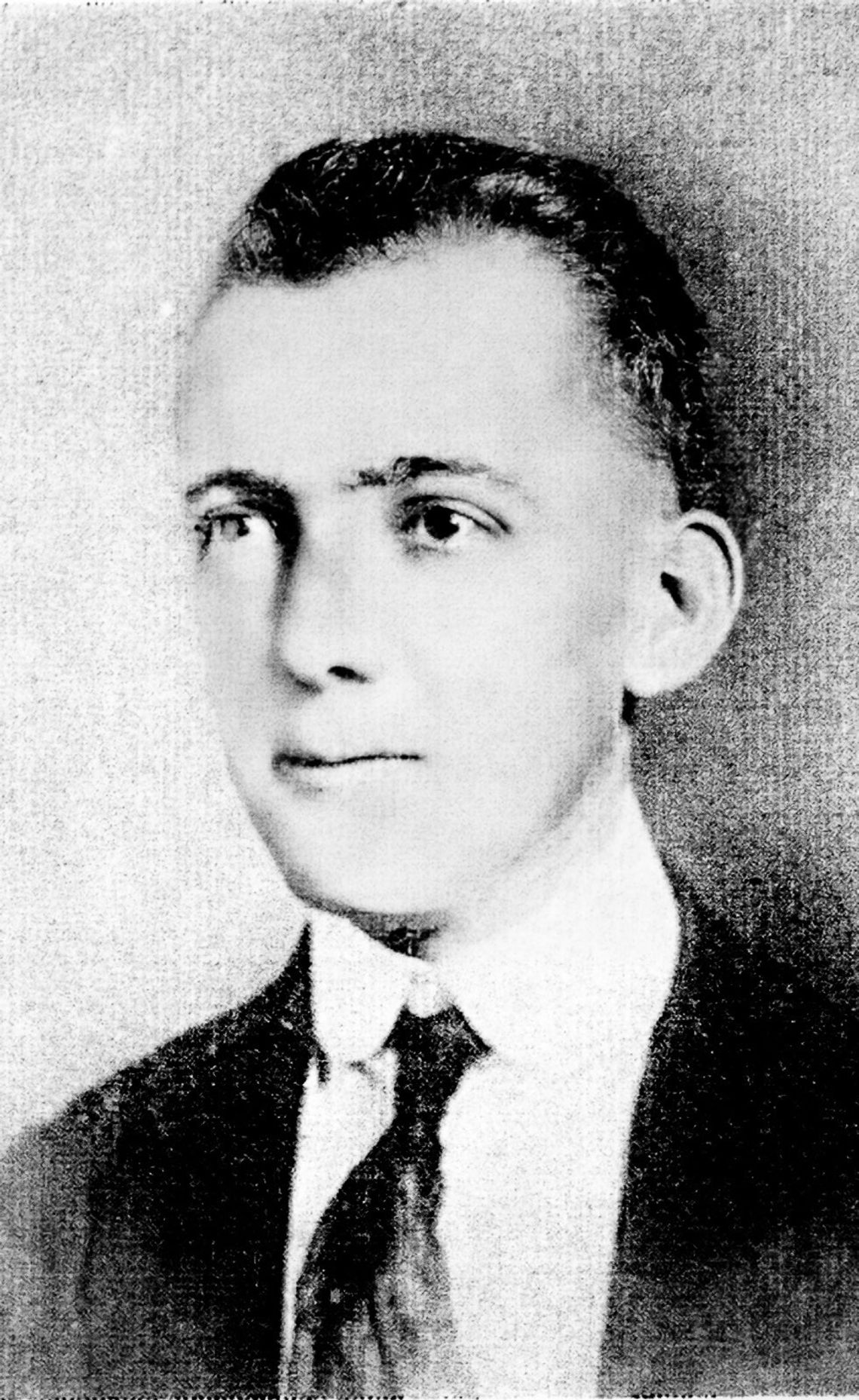
While the world was fighting against the Central Powers of Germany, Austria-Hungary, Bulgaria and the Ottoman Empires, young men and women were enlisting or being inducted into military duty here in the States. One of those young men was 23-year-old William Anton Dinter.
The son of Henry and Emma, Willie worked as a carpenter and was a member of the volunteer fire department. His family included his parents and his siblings, Carl, Marion, Florence and Henry, Jr.
While there were De-Witt County area men volunteering for Cuero Machine Gun group, Dinter instead enlisted on December 14, 1917, at Fort Sam Houston in San Antonio into the Company D 6th Battalion 20th Engineers as a private.
According to the website for the 20th Engineers: The 20th Engineers traces its origins to 15 August 1917, when the War Department issued General Order Number 108 forming the 20th Engineer Regiment for World War 1. On 11 November 1917, the first contingent of the newly formed regiment departed for St. Nazaire, France, where the regiment grew to become the largest regiment in the history of the US Army, consisting of 29 battalions and over 46,000 soldiers.
The regiment was spread across France, from the front lines opposite the German Army, to the mountains on the Spanish border, conducting forestry operations. The regiment demobilized upon its return to the U.S. in July 1919.
Sadly, Dinter would never make it to France. The transport ship which carried him, 384 and 2,012 service men would never reach their desti-nation. The luxury liner SS Tuscania had been converted to a transport ship. Along with a convoy that sailed from New Jersey on January 24, 1918, were attacked by German submarine UB-77. It was February 4 and they were off the coast of Scotland when a torpedo hit broadside and within four hours the liner was at the bottom of the Irish Sea.
Dinter was one of the 210 soldiers who died during that attack. He survived the sinking and was rescued, but later succumbed to pneumonia. He was first buried on the Isle of Islay in Scotland, but later exhumed and now lays to rest at Hillside Cemetery, Cuero.